
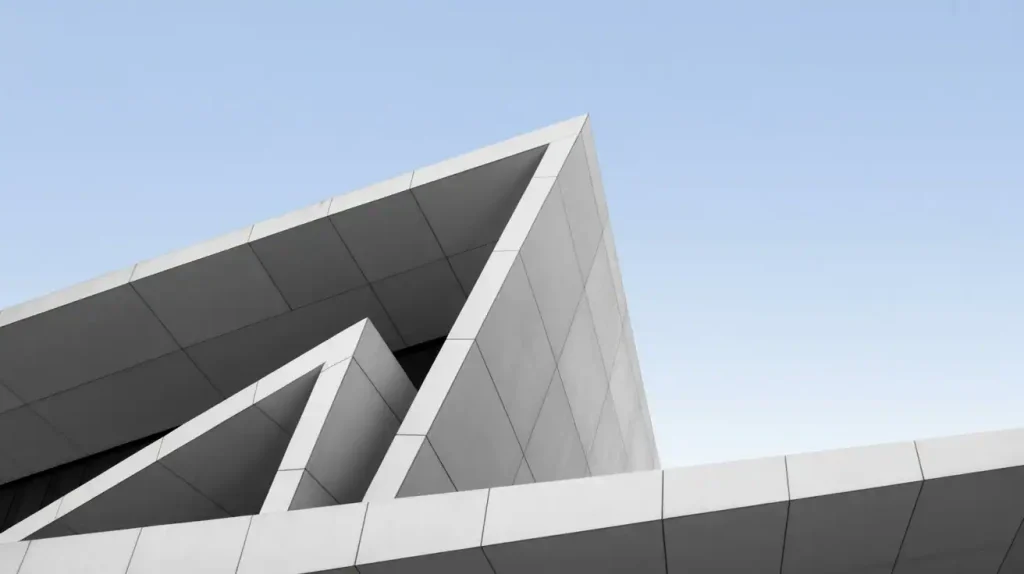
Angles are everywhere, quietly shaping how we see, build, and understand the world. From the corners of structures to the paths of light, they influence both natural patterns and human design. Looking closer at angles reveals how fundamental they are to reality itself.
The Nature of Angles
- An angle is formed when two lines meet at a common point.
- Angles are measured in degrees, with a full circle containing 360 degrees.
- A right angle, measuring 90 degrees, is one of the most important in geometry.
- Angles can be acute, obtuse, or straight depending on their size.
- Even slight changes in angle can significantly alter direction.
Angles in the Physical World
- Light reflects off surfaces at equal angles, shaping how we see reflections.
- The angle of sunlight changes throughout the day, affecting shadows and temperature.
- Structures rely on precise angles for strength and stability.
- Angles determine how forces are distributed in objects and systems.
- In navigation, angles help determine direction and position.
Unexpected Angle Effects
- Changing the angle of view can completely alter how an object appears.
- Certain angles can create optical illusions that distort perception.
- Cameras use angles to create depth, emphasis, or dramatic perspectives.
- Small angular differences can lead to large changes over long distances.
- Angles can influence how sound reflects and travels in a space.
Angles in Patterns and Motion
- Circular motion is defined by constantly changing angles.
- Many natural patterns, like crystals and plants, are shaped by repeating angles.
Conclusion
Angles are more than simple measurements; they guide how the world is structured and perceived. From light and motion to design and nature, they play a crucial role in shaping reality. Understanding angles offers a new way to see the hidden order in everyday life.