
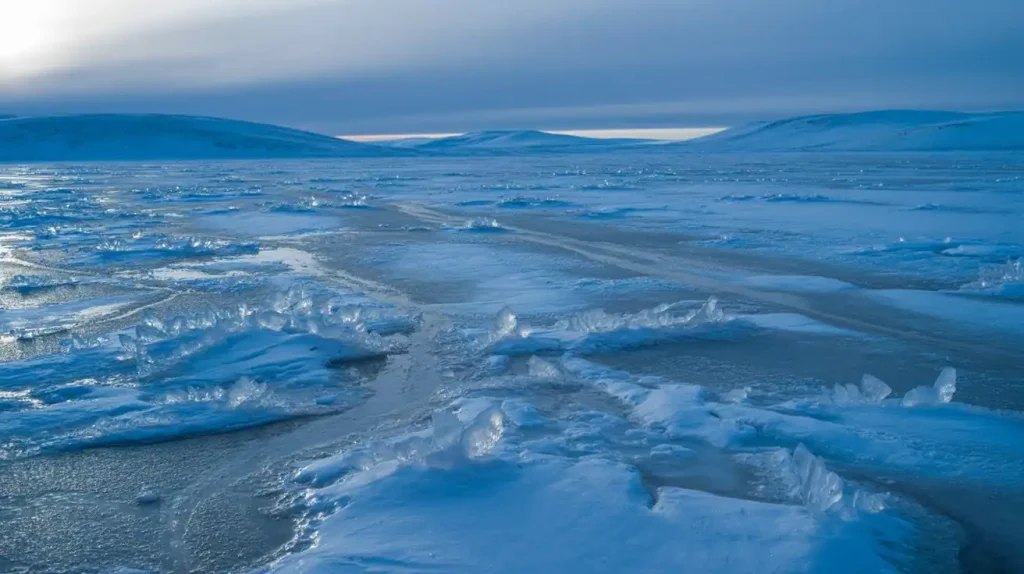
Cold is more than just a drop in temperature; it can transform environments, materials, and even human behavior in unexpected ways. From icy landscapes to strange physical effects, extreme cold reveals a world that feels almost unreal. These facts show just how powerful and unusual cold can be.
The Nature of Cold
- Cold is not a substance but the absence of heat energy.
- Absolute zero is the lowest possible temperature, where molecular motion nearly stops.
- Air feels colder when it moves quickly, a phenomenon known as wind chill.
- Metals feel colder than wood because they conduct heat away from the body faster.
- Cold temperatures can slow down chemical reactions significantly.
- Water expands as it freezes, which can crack rocks and pipes.
Cold in the Natural World
- The coldest natural temperatures on Earth occur in Antarctica.
- Some animals survive freezing conditions by producing natural antifreeze compounds.
- Ice crystals in the air can create optical effects like halos around the sun.
- Extremely cold air can cause moisture in breath to freeze instantly.
- Permafrost keeps the ground frozen for years or even centuries.
- Certain insects can survive being frozen solid and revive when thawed.
Strange and Extreme Cold Facts
- At very low temperatures, materials can become brittle and shatter easily.
- Sound can travel differently in cold air, sometimes carrying farther.
- Frost can form intricate patterns that resemble tiny works of art.
- In extreme cold, exposed skin can freeze in minutes.
- Supercooled water can remain liquid below freezing until disturbed.
- Very cold temperatures can drain batteries much faster than usual.
- In rare conditions, hot water can freeze faster than cold water.
Cold is a powerful force that shapes both the natural world and human experience. Its effects can be beautiful, dangerous, and deeply surprising. Understanding cold reveals just how dramatic a simple drop in temperature can become.