
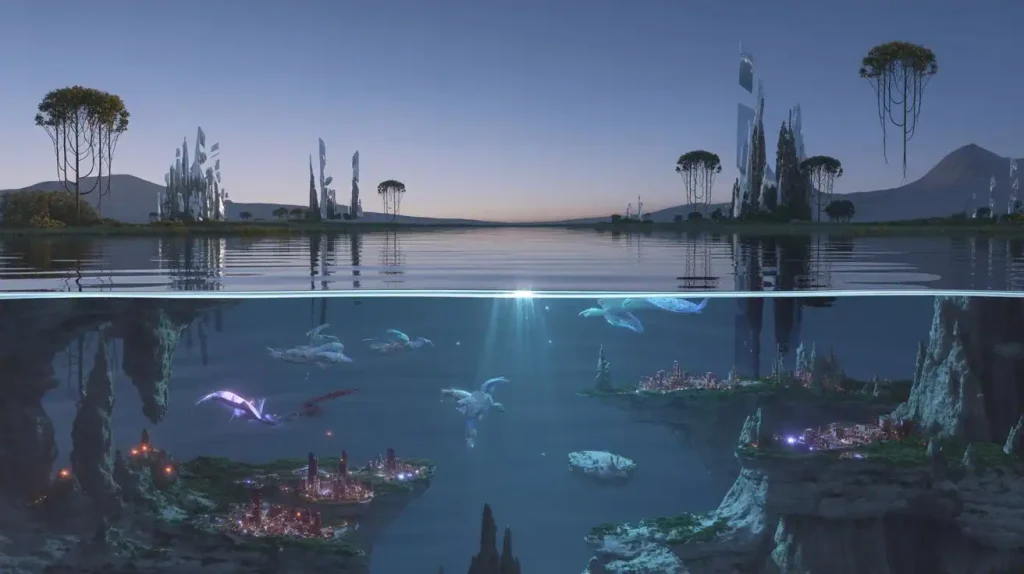
Reflections seem simple at first glance, yet they can easily confuse and mislead the human eye. From mirrors to water surfaces, reflected images often behave in ways that feel counterintuitive. These facts reveal how reflection can distort reality and challenge perception.
The Science of Reflection
- Reflection occurs when light bounces off a surface instead of being absorbed.
- The angle at which light hits a surface equals the angle at which it reflects.
- Smooth surfaces create clear reflections, while rough surfaces scatter light.
- Mirrors are designed to reflect most of the light that reaches them.
- Reflections can occur on many surfaces, including water, glass, and metal.
- The clarity of a reflection depends on how even and polished a surface is.
- Light can reflect multiple times between surfaces, creating repeated images.
- Reflection works with all types of light, not just what humans can see.
Reflections in Everyday Life
- A mirror does not actually reverse left and right; it reverses front and back.
- Reflections in water can appear distorted when the surface is moving.
- Curved mirrors can stretch or compress reflected images.
- Shiny buildings can reflect entire cityscapes.
- Reflections can make objects appear closer or farther than they are.
- Multiple mirrors can create the illusion of endless space.
- Reflections can change color slightly depending on the surface material.
- Glass can both reflect and transmit light at the same time.
Strange and Surprising Reflection Facts
- Reflections can appear brighter or dimmer depending on the angle of view.
- A reflection can sometimes be seen even when the object itself is hidden.
- Under certain conditions, reflections can appear upside down.
- Some animals rely on reflective surfaces to detect movement or danger.
- Reflections can overlap, creating confusing or layered images.
- Light reflecting inside droplets can create rainbows.
- Reflections can be delayed slightly when light travels long distances.
- The brain can misinterpret reflections, making them seem like separate objects.
Reflections are more than simple mirror images; they are complex interactions between light and surfaces. They can distort, duplicate, and even hide reality in unexpected ways. Observing reflections more closely reveals just how easily our eyes can be tricked.