
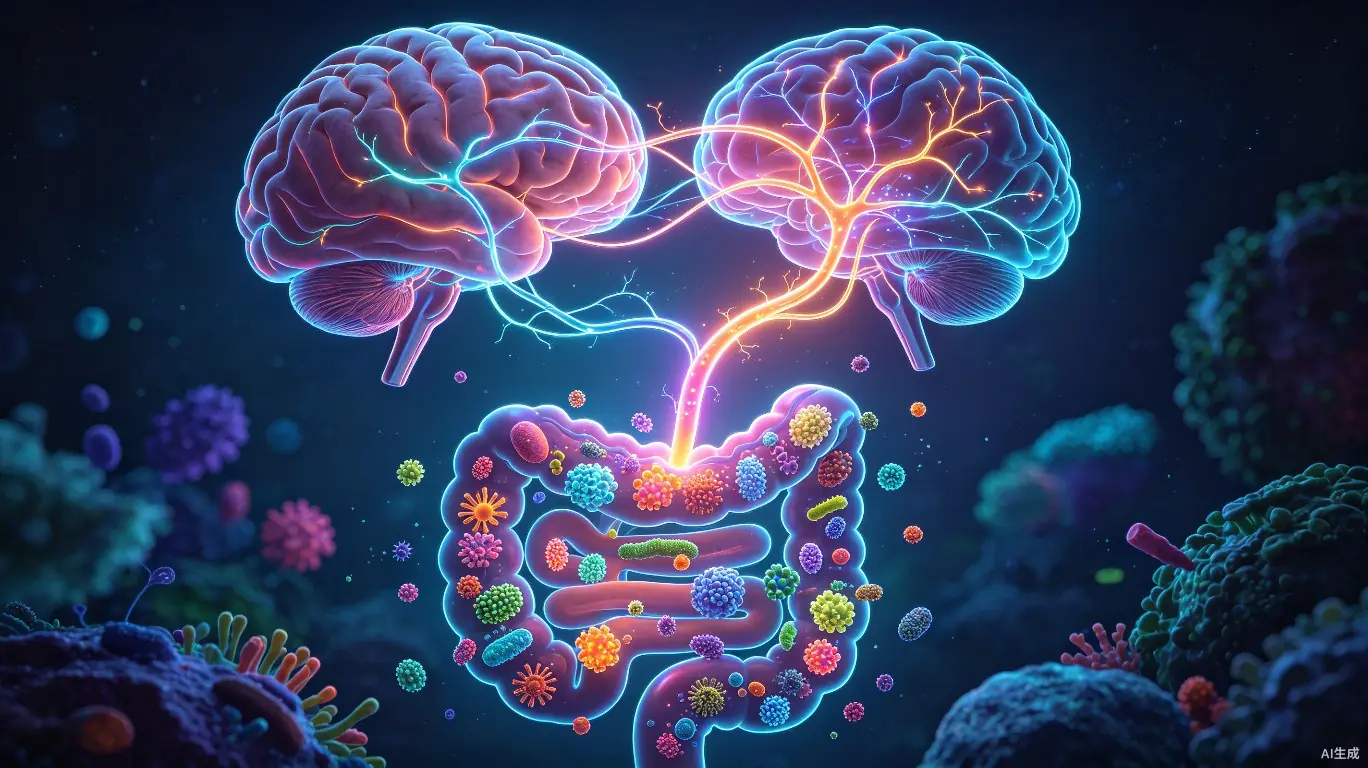
The human gut contains a vast neural network so sophisticated that scientists have dubbed it the second brain. This enteric nervous system communicates bidirectionally with the brain through an intricate network of neurons, hormones, and microbial signals, influencing everything from mood to memory.
The enteric nervous system embedded in the walls of the gastrointestinal tract contains approximately 500 million neurons — more than the spinal cord and about the same number as the brain of a cat. This neural network can operate completely independently of the central nervous system, controlling digestion, enzyme secretion, and gut motility even when the vagus nerve connection to the brain is severed.
Approximately 90% of the body's serotonin — the neurotransmitter most commonly associated with mood regulation, happiness, and well-being — is produced in the gut by specialized enterochromaffin cells, not in the brain. This is why selective serotonin reuptake inhibitors can cause gastrointestinal side effects and why gut health is increasingly linked to mental health conditions including depression and anxiety.
The gut microbiome, comprising trillions of bacteria, fungi, viruses, and archaea, weighs approximately 1 to 2 kilograms and contains over 3 million genes — roughly 150 times more genetic material than the human genome itself. These microbes produce hundreds of neuroactive compounds including GABA, dopamine, norepinephrine, and short-chain fatty acids that directly influence brain function.
The vagus nerve serves as the primary information superhighway between the gut and the brain, containing approximately 80% afferent fibers that transmit signals from the gut upward to the brain rather than downward. This asymmetry means the gut sends far more information to the brain than the brain sends to the gut, functioning as an early warning system that continuously reports on nutritional status, inflammation, and microbial activity.
Gut bacteria directly influence appetite and food cravings through multiple mechanisms. Certain bacterial strains produce peptides that mimic human hunger hormones like ghrelin, while others modify taste receptor expression on the tongue. A 2025 study demonstrated that transplanting gut microbiota from obese mice into lean mice caused the recipients to develop increased caloric intake and weight gain within weeks.
The blood-brain barrier — long considered the gut-brain axis's gatekeeper — is directly influenced by gut bacteria. Short-chain fatty acids produced by fiber-fermenting bacteria, particularly butyrate, strengthen the tight junctions between endothelial cells lining brain blood vessels, while certain pathogenic bacteria can increase barrier permeability, potentially contributing to neuroinflammation and cognitive decline.
Parkinson's disease appears to have gastrointestinal origins according to mounting evidence. Constipation and other digestive symptoms frequently precede the classic motor symptoms of Parkinson's by up to 20 years. The Braak hypothesis proposes that an unknown pathogen may enter the body through the gut, trigger abnormal alpha-synuclein protein aggregation in gut neurons, and spread via the vagus nerve into the brain.
Stress directly reshapes the gut microbiome within hours, not days or weeks. In a landmark 2024 study, researchers found that acute psychological stress caused detectable shifts in gut bacterial populations within just two hours, with stress hormones like norepinephrine directly stimulating the growth of potentially pathogenic bacteria while suppressing beneficial species — explaining why chronic stress so frequently manifests as digestive disorders.
The gut-brain axis develops before birth and continues maturing through the first three years of life in a period critical for lifelong health. Cesarean-delivered infants show markedly different gut microbiome compositions compared to vaginally delivered babies, lacking key bacterial species acquired during passage through the birth canal, a difference associated with increased risks of allergies, asthma, and obesity later in life.
Certain probiotic strains, classified as psychobiotics, demonstrate measurable effects on mental health in clinical trials. Bifidobacterium longum 1714 and Lactobacillus rhamnosus JB-1 have been shown in randomized controlled trials to reduce cortisol output during stress and decrease anxiety-like behaviors, with effects mediated through vagus nerve signaling and modulation of brain GABA receptor expression.
Fermented foods are emerging as powerful gut-brain modulators. A 2025 clinical trial published in Cell demonstrated that participants consuming six servings of fermented foods daily for 10 weeks showed significant increases in gut microbiome diversity and reductions in 19 inflammatory markers, including interleukin-6 which is strongly associated with depression, compared to a high-fiber diet control group.
Sleep quality and gut health exist in a bidirectional relationship mediated by the gut-brain axis. Gut bacteria produce melatonin precursors and regulate circadian rhythm genes in intestinal cells, while sleep deprivation for just two nights significantly reduces beneficial bacterial populations. This feedback loop explains why both chronic insomnia and digestive disorders frequently co-occur and why treating one often improves the other.