
12 Facts About Age of Exploration Discoveries That Changed the World
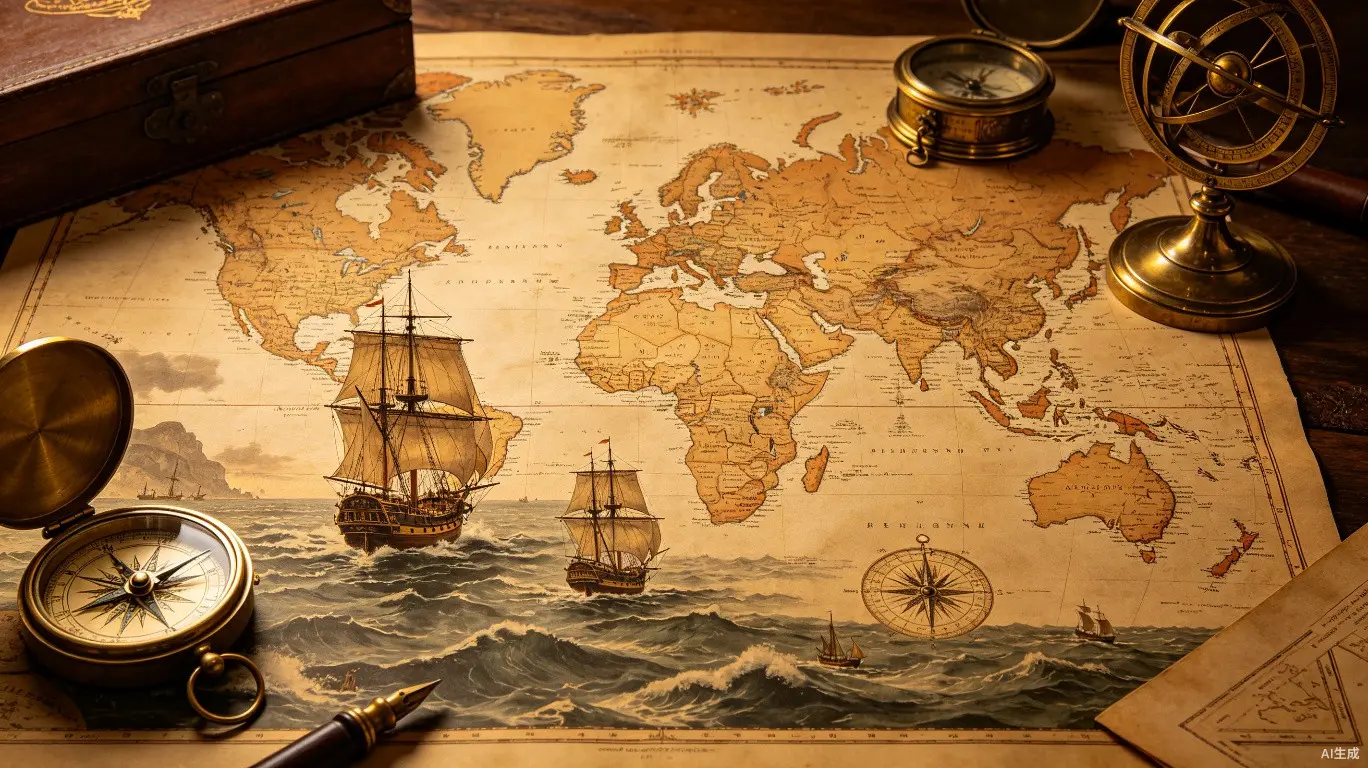
When Christopher Columbus set sail in 1492, most educated Europeans already knew the Earth was spherical -- the myth that they believed in a flat E...
15 articles
When Christopher Columbus set sail in 1492, most educated Europeans already knew the Earth was spherical -- the myth that they believed in a flat E...

The scientific revolution of the sixteenth and seventeenth centuries fundamentally changed how humans understand the natural world. Copernicus plac...
The fall of Constantinople in 1453 to the Ottoman Empire marked the end of the Byzantine Empire and is often considered the end of the Middle Ages....
The Enlightenment of the eighteenth century was an intellectual movement emphasizing reason, individualism, and skepticism of traditional authority...
World War II was the deadliest conflict in human history, involving more than 30 countries and resulting in an estimated 70 to 85 million deaths. T...
Ancient Egyptian civilization lasted for over three thousand years, a span so vast that Cleopatra lived closer in time to the invention of the iPho...
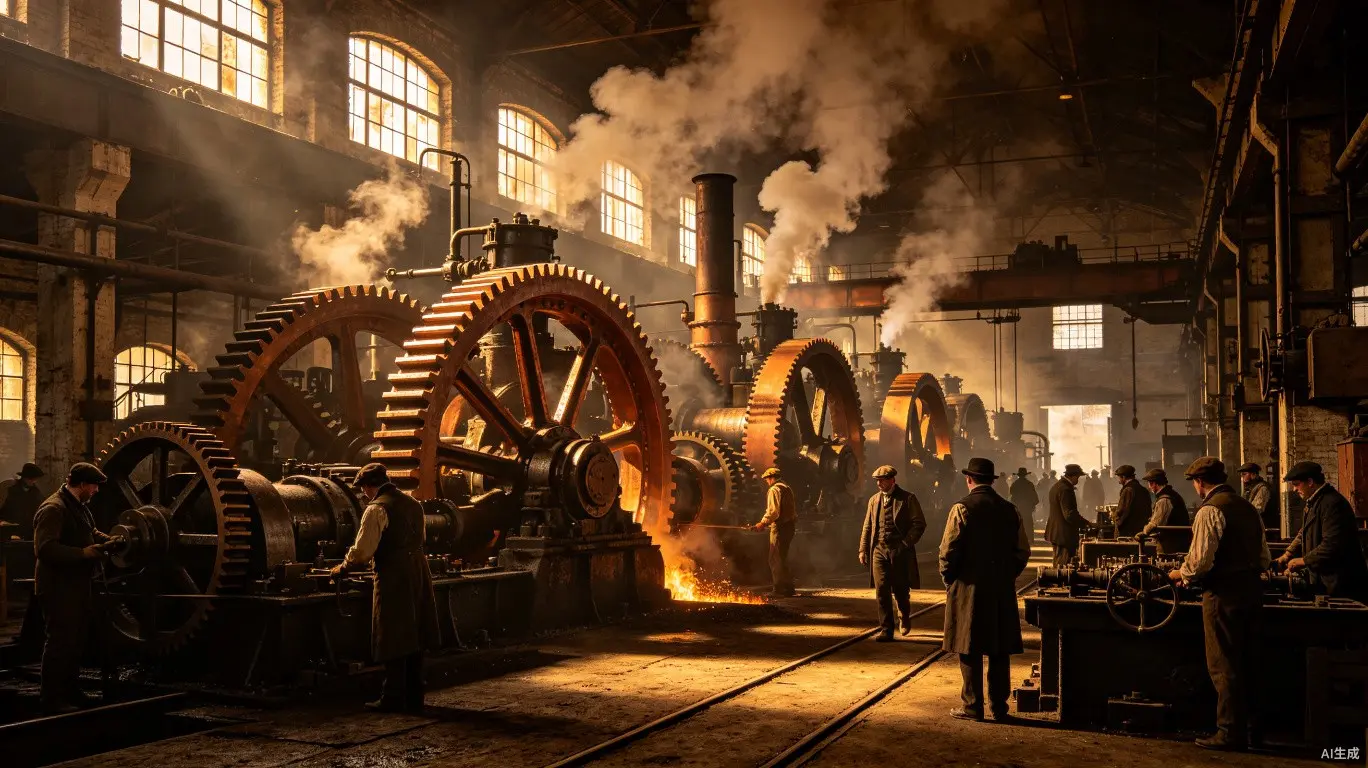
Beginning in Britain around 1760, the Industrial Revolution changed society more fundamentally than any event since the invention of agriculture. S...
The Mongol Empire, founded by Genghis Khan in 1206, became the largest contiguous land empire in history, stretching from Eastern Europe to the Sea...
The invention of agriculture around 10,000 BCE marked the most profound transformation in human history. The transition from hunting and gathering ...
The Library of Alexandria, founded around 300 BCE under Ptolemy I Soter, was not merely a collection of scrolls but an international research insti...
The Industrial Revolution actually began not with steam engines but with water power. The first factories in Britain were textile mills built along...
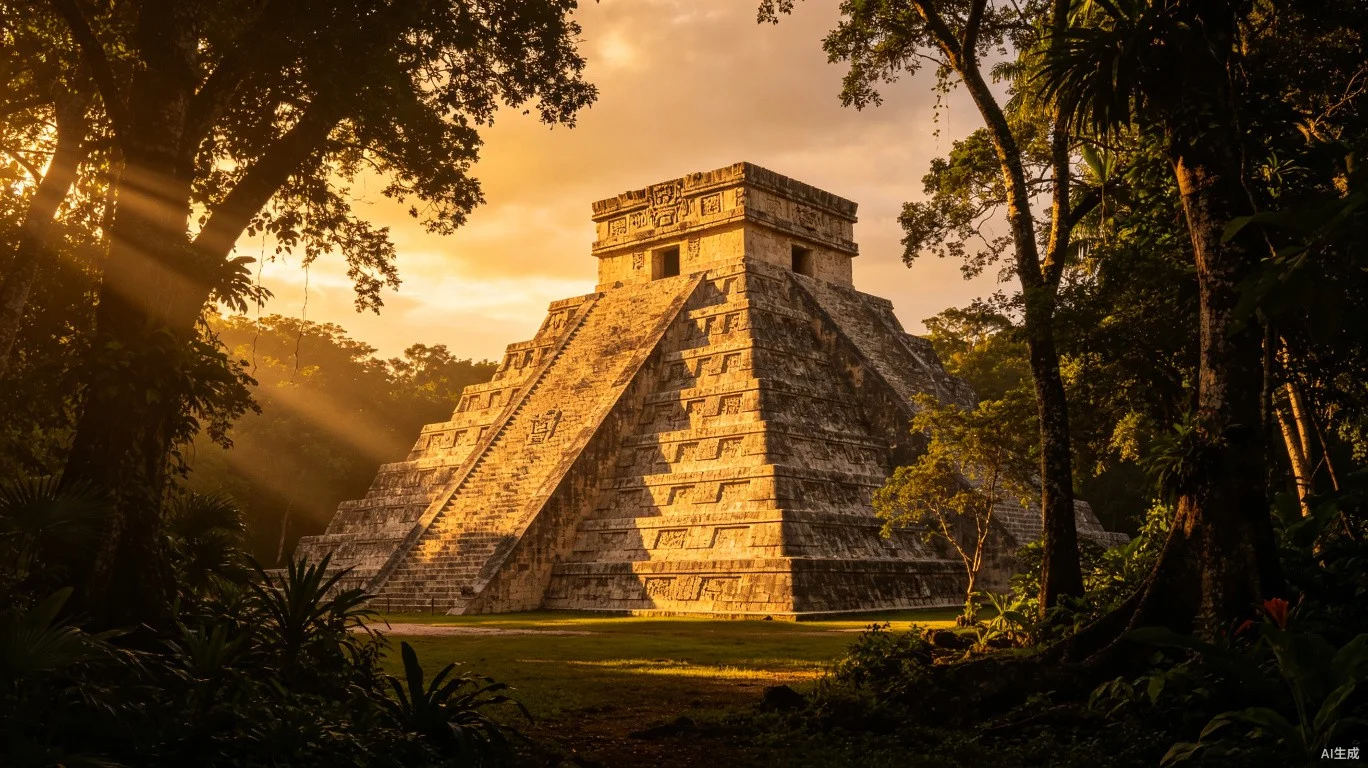
The Maya civilization flourished in present-day Mexico, Guatemala, Belize, Honduras, and El Salvador for over 3,000 years, reaching its peak during...
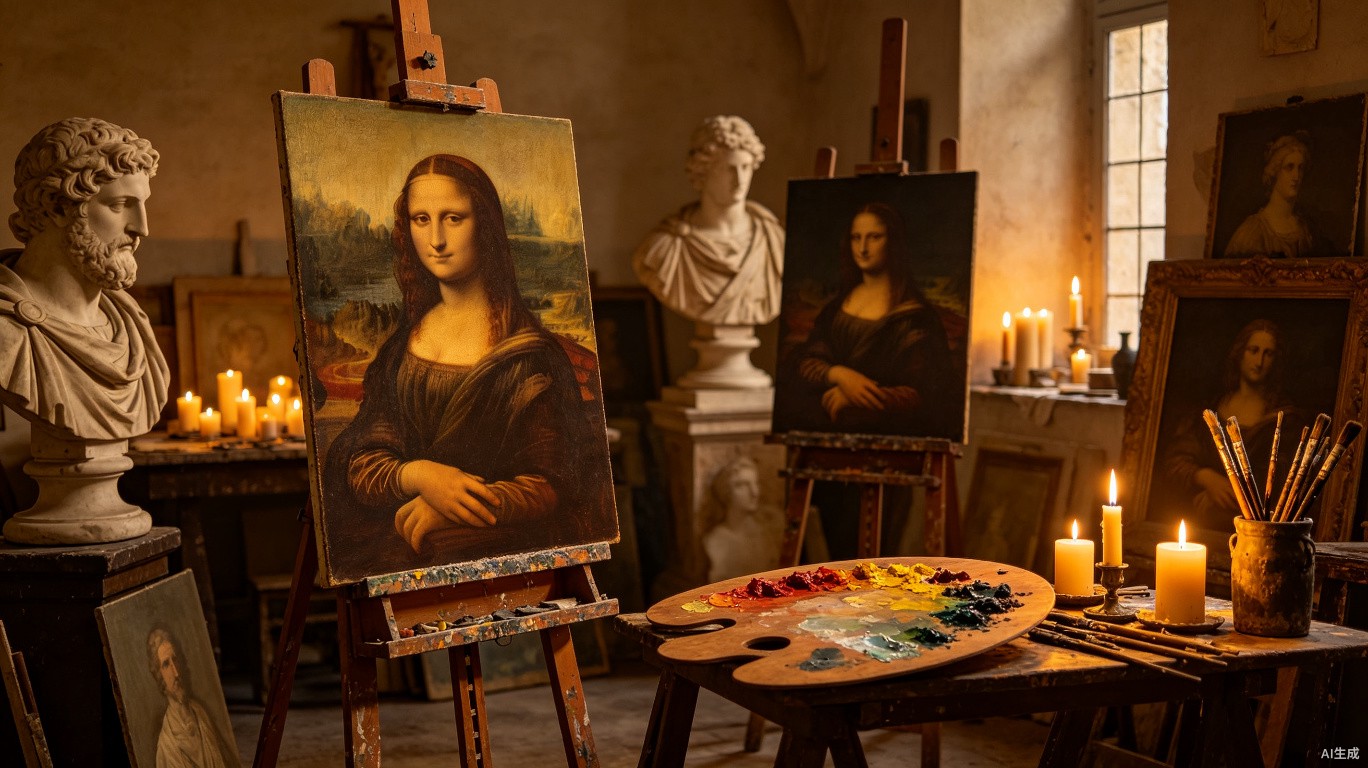
Leonardo da Vinci's Mona Lisa was painted over approximately 16 years and contains no visible brushstrokes — a technique called sfumato, meaning "s...
Leif Erikson reached North America around 1000 CE, nearly 500 years before Columbus. Archaeological evidence at L'Anse aux Meadows in Newfoundland ...