
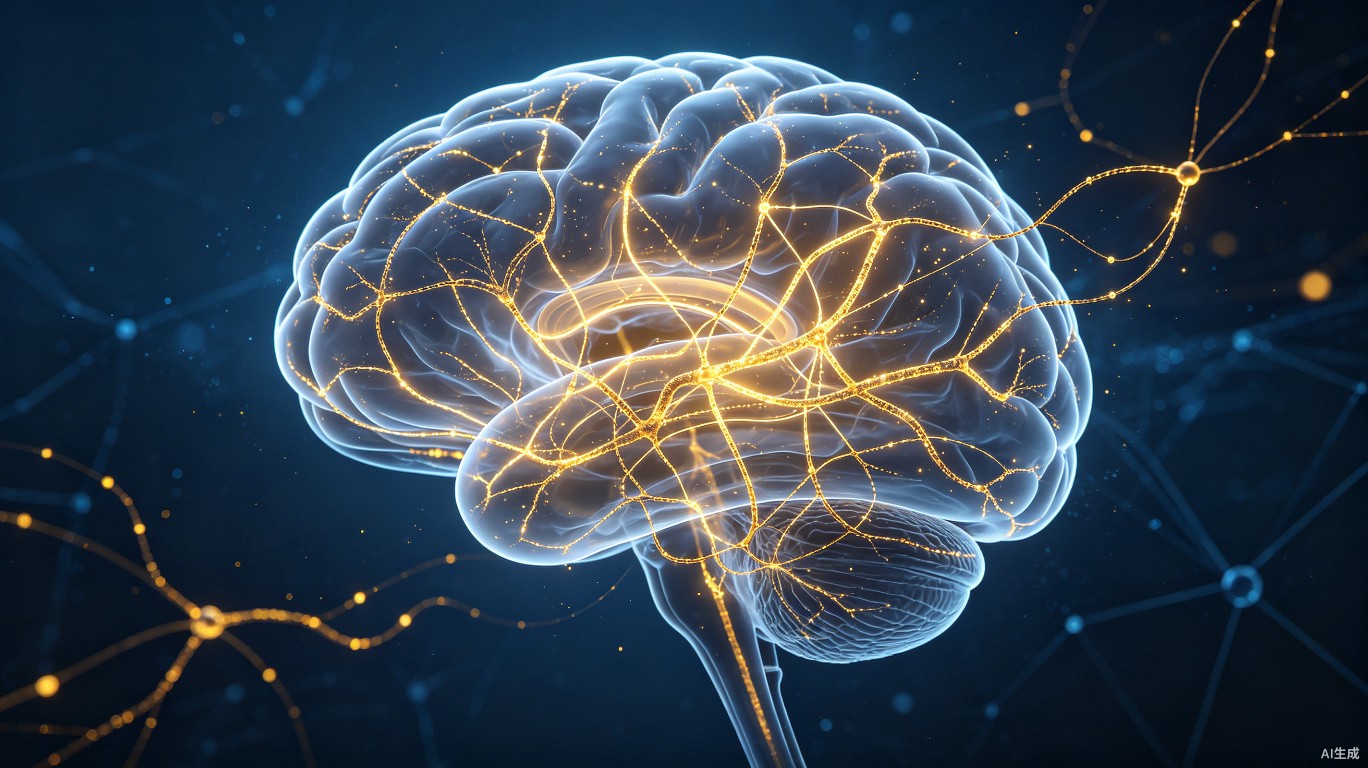
For most of the 20th century, scientists believed the adult brain was fixed and unchangeable. Today, research on neuroplasticity has overturned that assumption entirely, demonstrating that our brains continuously reorganize themselves throughout life in response to experience, learning, and even injury.
London taxi drivers undergo years of training called "The Knowledge," memorizing 25,000 streets and thousands of landmarks. Brain scans revealed that their hippocampi — regions critical for spatial memory — were physically larger than those of control subjects, and the size correlated directly with years on the job.
After a stroke damages brain tissue, surviving neurons in neighboring regions can sprout new connections and take over functions previously managed by the destroyed area. This process, called cortical remapping, is most robust in children but remains possible throughout adulthood with intensive rehabilitation.
Learning to juggle produces measurable increases in gray matter density in brain regions involved in visual and motor processing within just seven days of practice. If juggling is stopped, these changes partially reverse, demonstrating that neuroplasticity is a bidirectional process driven by ongoing demand.
Phantom limb pain, experienced by many amputees, arises because the brain's sensory map of the body reorganizes after limb loss. Adjacent cortical areas invade the unused region, causing the brain to misinterpret signals. Mirror therapy exploits neuroplasticity to reduce phantom pain by tricking the brain into perceiving movement in the missing limb.
Musicians who begin training before age seven have a larger and more developed corpus callosum — the bundle of nerve fibers connecting the brain's two hemispheres — compared to non-musicians and those who started later. This increased connectivity may explain more efficient inter-hemispheric communication during complex tasks.
Bilingualism delays the onset of dementia symptoms by an average of four to five years compared to monolinguals, even when brain pathology is equivalent. Constantly managing two languages appears to build cognitive reserve by strengthening executive control networks throughout the brain.
Mindfulness meditation physically alters brain structure after just eight weeks of regular practice. Studies have documented increased gray matter density in regions associated with learning, memory, emotional regulation, and perspective-taking, while the amygdala — the brain's fear center — shows measurable shrinkage.
Synaptic pruning during adolescence eliminates roughly half of the synapses formed during childhood, refining neural circuits based on which connections are used most frequently. This "use it or lose it" principle explains why skills practiced intensely during teenage years become deeply embedded, while unused abilities fade.
Neurogenesis, the birth of new neurons, was once thought impossible in adult mammals. Today, we know the human hippocampus generates approximately 700 new neurons per day, and exercise, learning, and enriched environments can increase this rate while chronic stress dramatically suppresses it.
Blind individuals who read Braille show remarkable cortical reorganization: regions of the brain normally dedicated to visual processing become repurposed for tactile discrimination of the raised dots. Functional MRI shows the visual cortex lighting up when expert Braille readers use their fingertips — even though their eyes see nothing.
Video game training can enhance specific cognitive abilities through neuroplastic changes. Action game players show improved visual attention, faster decision-making, and better contrast sensitivity. Surgeons who play video games regularly make roughly 37 percent fewer errors in laparoscopic procedures compared to non-gamers.
The brain's reward system is powerfully shaped by dopamine-driven plasticity, which reinforces behaviors that produce pleasure. This mechanism, crucial for survival-related learning, is the same process that makes addictive substances so potent — they hijack neuroplasticity by flooding the brain with far more dopamine than natural rewards ever could.